Climate-smart farming is not a single technique. It is a way of farming that produces food while making the land better able to cope with unpredictable rain, longer dry spells and hotter days. For a smallholder, the encouraging part is that most of the practices involved cost little beyond planning and labour.
1. Keep the soil covered
Bare soil dries out, heats up and washes away. Mulch — crop residues, cut grass, leaves, straw — spread over the surface keeps moisture in, moderates temperature and feeds the soil life underneath. Many farmers aim to have something growing on, or covering, the soil for as much of the year as possible.
- Spread crop residues and cut grass over beds instead of burning them.
- Sow a cover crop in the gap between two main crops.
- Leave the cut cover lying on the surface rather than digging it in.
2. Feed the soil with compost and manure
Bought fertiliser is expensive and not always available exactly when you need it. Compost and well-rotted manure improve the structure of the soil and its ability to hold water, which matters more and more when rain is unpredictable. Build a heap from crop residues, kitchen waste and animal manure, turn it occasionally, and keep it covered so nutrients are not washed out. It does not have to replace bought fertiliser entirely; it reduces how much you depend on it.
3. Harvest and store rainwater, and irrigate simply
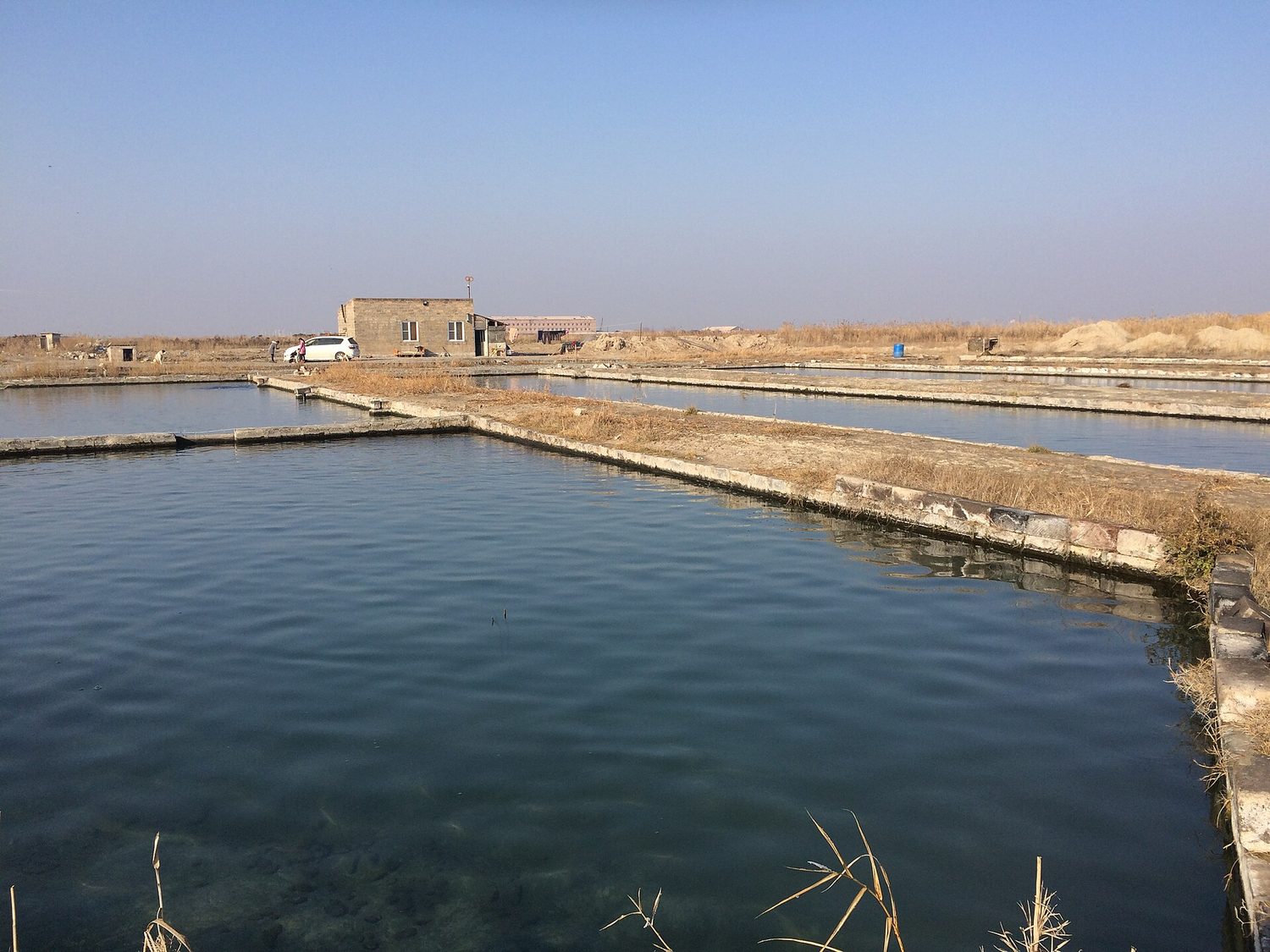
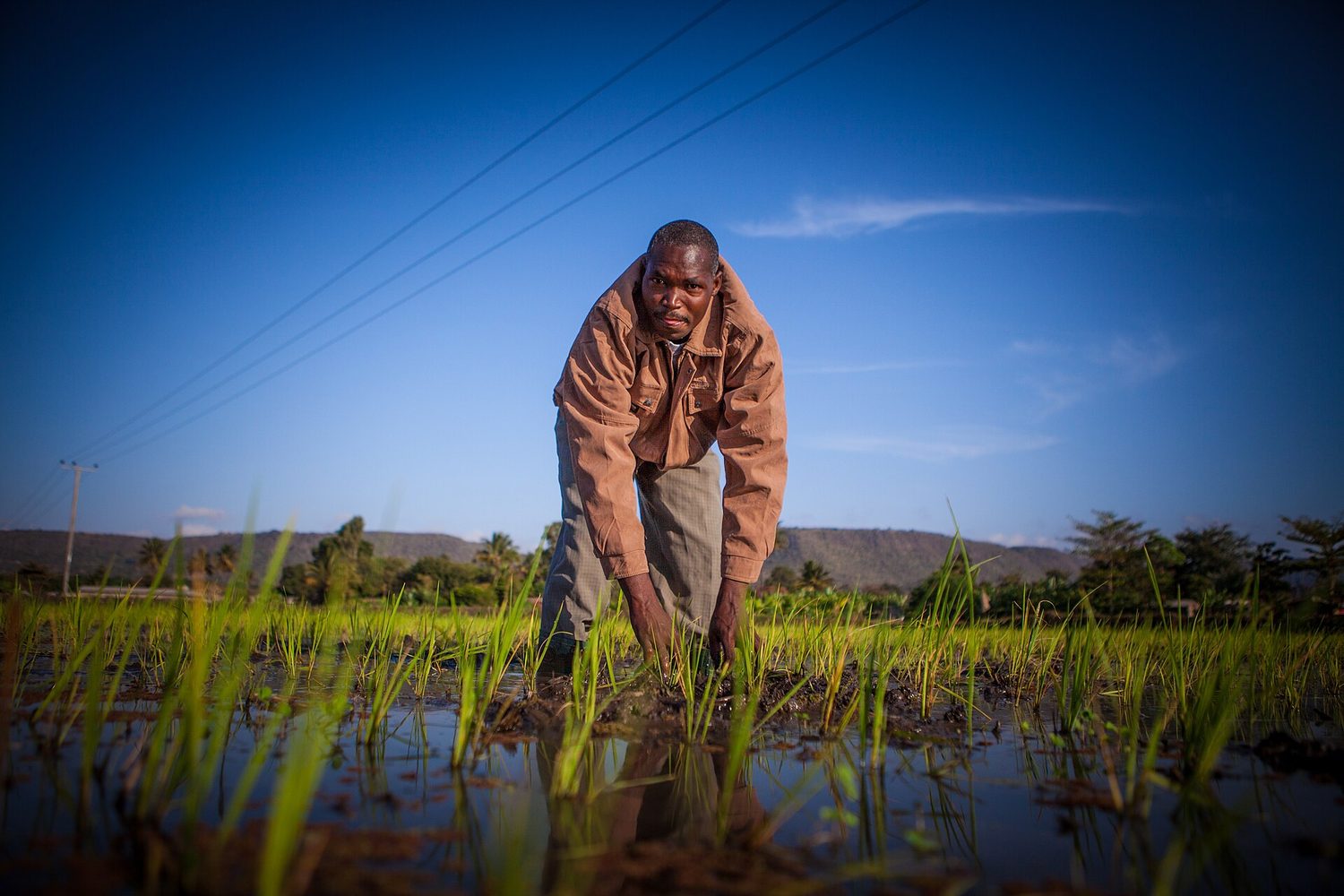
Where rain falls heavily in a short season, catching some of it is worthwhile. Roof catchment into a tank, a barrel or a lined pit, and simple channels leading to a garden, can carry a crop through a dry spell. Water carefully at the roots rather than over the leaves: it saves water and reduces disease. In valley bottom land, controlling water is the whole point of the Integrated Valley Swamp approach.
4. Plant and protect trees
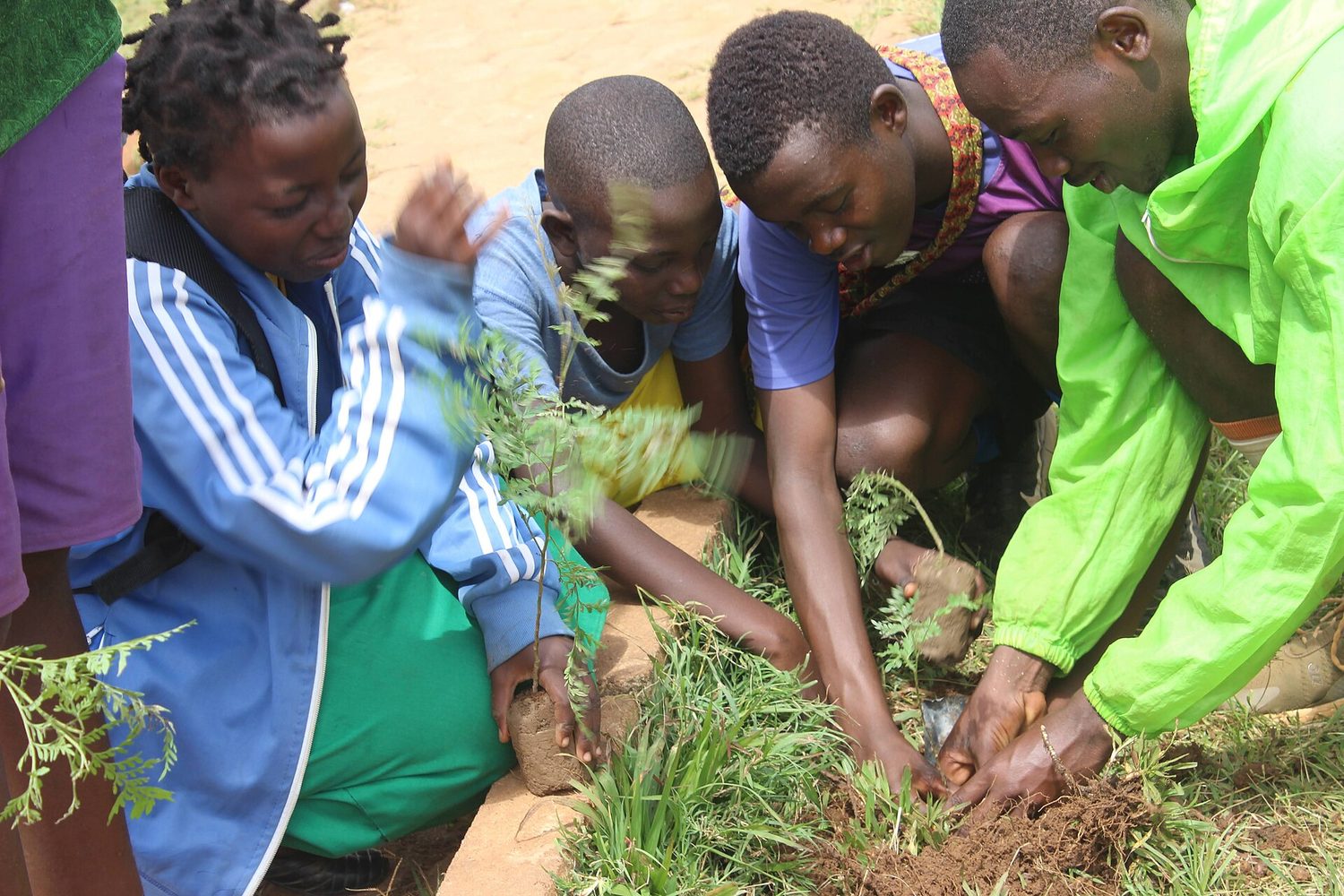
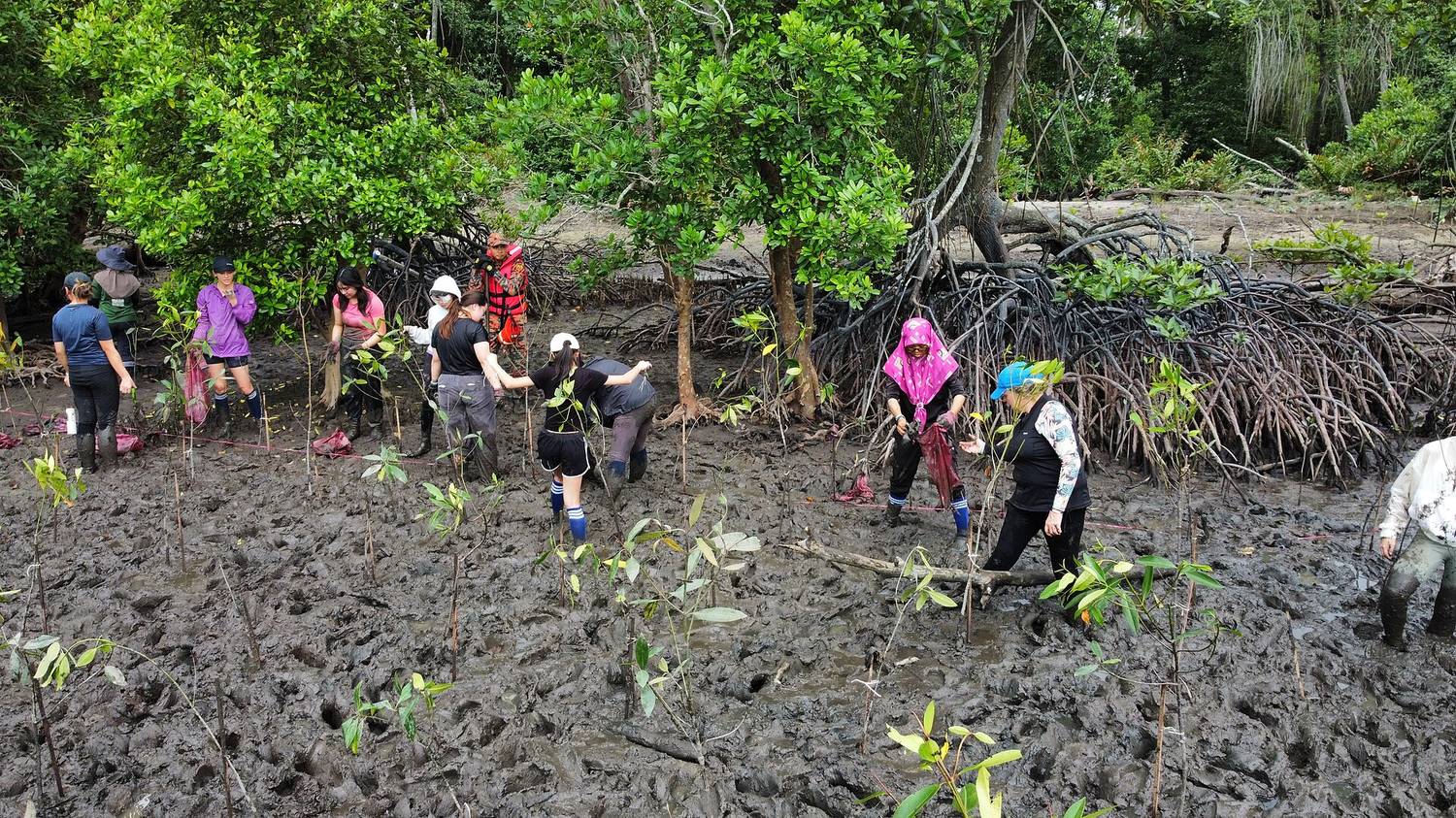
Trees on a farm give shade for people, animals and crops, act as a windbreak, hold soil in place on slopes, and drop leaves that improve the soil. They can also produce fruit, fodder, fuel and timber. Plant them where they will not compete with your main crop for light and water, protect them from livestock while they are young, and be patient, because the benefits build over years rather than seasons.
5. Diversify crops and livestock
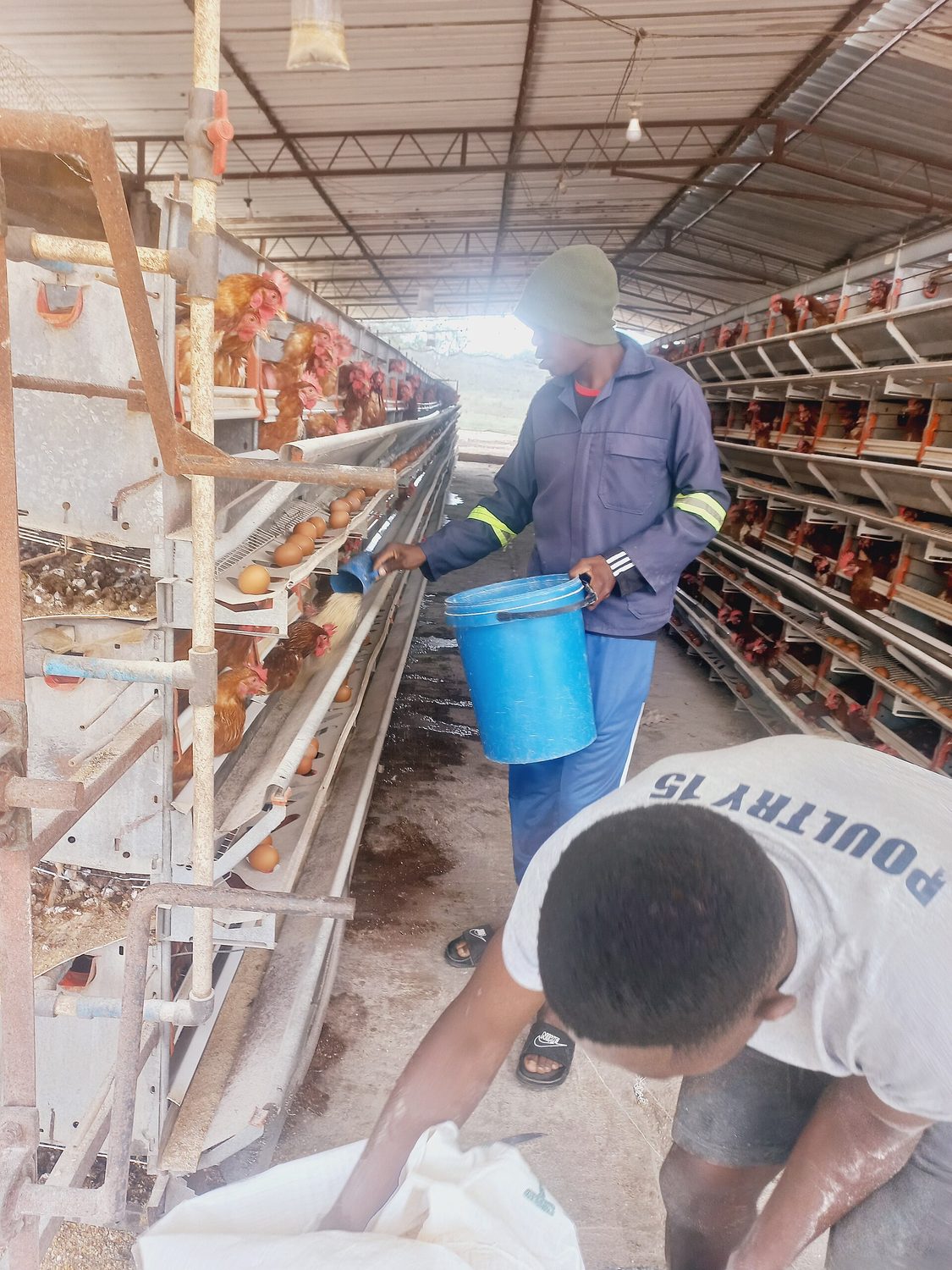
Depending on a single crop or a single enterprise means one bad season can undo a whole year. Mixing crops, staggering planting dates, keeping a few different types of livestock and having more than one source of income spreads that risk. Diversity also makes better use of your labour and your land across the whole year, instead of concentrating everything into a few busy weeks.
Key takeaway: the thread running through all five practices is the soil, the water and the variety of what you grow. Protect those three and the farm becomes more resilient, season after season.
These practices are the foundation of the climate change and environment work we do, alongside tree planting, land rehabilitation and environmental restoration. If you would like advice on how to apply them on your own land, talk to our team and we will suggest where to begin.